Auto shop marketing isn’t what it used to be. Over the years, more shops have opened up, giving customers more options and challenging businesses to find new ways to stand out. At the same time, dealerships are working harder to attract out-of-warranty vehicles with competitive pricing and generous incentives. And, consumers are now better equipped to shop around thanks to online reviews, social media, and AI-driven comparison tools.
In other words, the days of relying on word-of-mouth and a basic website to keep your bays full are long gone. Success today requires a comprehensive, well-thought-out automotive marketing strategy. But the impact of effective auto repair shop marketing extends beyond just boosting your bottom line. A solid marketing plan can transform your business by helping strengthen your relationships with customers while establishing your brand as a trusted name within the community.
Why Auto Shop Marketing Matters
When we think about auto shop marketing, the most obvious benefit is growing your revenue. A good, strategic plan brings in new customers and reminds existing ones about services they may have been putting off. But it doesn’t stop there.
Automotive marketing helps create a foundation for your brand—one that can support the business as it grows. When you’re ready to open new locations, a strong brand makes the transition that much smoother. It’s about going from “just another repair place” to being the go-to shop for all things automotive in your area.
12 Future-Proof Marketing Strategies for 2026
To leapfrog the competition, you need a mix of operational efficiency and digital authority. Here are 12 strategies to tune up your efforts:
Part 1: Retaining Your Existing Customers
Building your shop’s marketing plan should start with your strengths. If you're comfortable with email and text marketing and have a solid customer list, begin there.
Sell Declined Jobs via DVI: The easiest way to get more business is to look at repairs customers declined previously. Use Digital Vehicle Inspections (DVI) to send automated follow-ups 30 days later with photos of the original issue.
QR-Driven "Digital Health Reports": Give customers a useful resource they can refer to at home. Provide a QR code on every invoice that links to their vehicle's service history and a Direct Booking Link.
Personalized Gifting via CRM: Use Customer Relationship Management (CRM) notes to send timely gifts, like a branded tire pressure gauge for a birthday or a "We Miss You" voucher.
Tiered Loyalty Programs: Give customers a specific reason to come back. Offer a "VIP Tier" with perks like free annual tire rotations or roadside pickup for your top-spending regulars.
Referral "Viral Loops": Incentivize existing customers to refer people to your shop. Create a challenge where three referrals earn a high-value gift card or a percentage off their next repair.
Video-First Social Proof: Post 15-second "Diagnosis Reels" showcasing your technicians' expertise. Showing the actual repair process builds more trust than a generic "before and after" photo.
Part 2: Attracting New Customers
Exposure is big—stay visible wherever you can. In 2026, this means meeting customers where they are: in AI search results and in the community.
ASRO (AI-Search Response Optimization): When consumers use AI tools to find shops, they look for "Symptom-Based" content. Create pages around questions like "Why is my steering wheel shaking?" to become the recommended answer.
Physical E-E-A-T (Educational Workshops): Get involved in your community by hosting "Teen Driver Safety" nights. This builds brand recognition and earns high-authority local backlinks that boost your Auto Shop SEO.
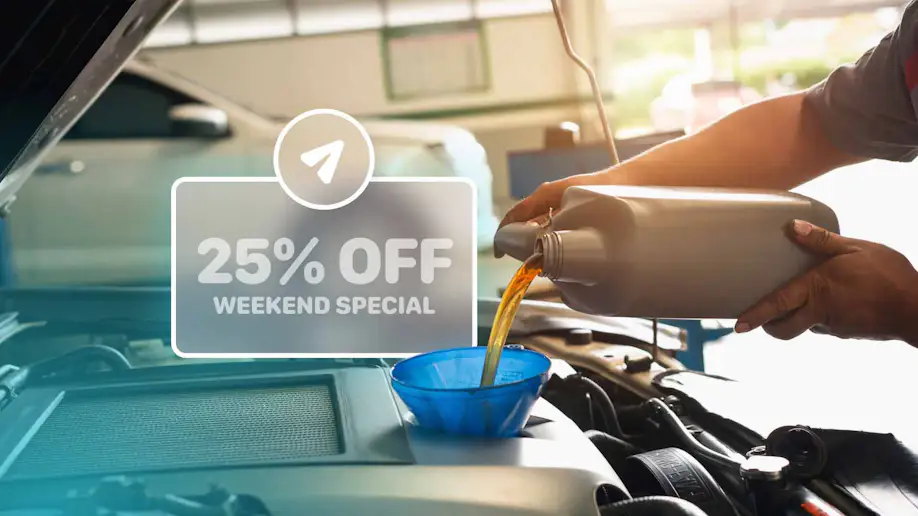
Frictionless "Instant Book" Promotions: Modern consumers expect to book everything online. Offer first-time customer specials that can be claimed via Online Appointment Scheduling.
B2B Fleet Health Audits: Partner with local businesses that have small fleets. Offer a free "Fleet Health Audit" to demonstrate how your Fleet Management tools can reduce their downtime.
Targeted CRM Ad Campaigns: As third-party cookies disappear, use your own data. Upload your "Lost Customer" list to Facebook to run "We Miss You" ads specifically for drivers you haven't seen in 9+ months.
Symptom-Based SEO: Instead of broad keywords like "auto repair," target specific issues. Well-written, authoritative content that answers specific mechanical questions will rank higher in 2026.
Know What You’re Measuring (and Follow Through)
Figure out what’s working, and track it. Revenue is important, but also look at website traffic, lead generation, and Average Repair Order (ARO). In 2026, the most successful shops also track Customer Lifetime Value (LTV):
$$LTV = (\text{Average Order Value}) \times (\text{Annual Visit Frequency}) \times (\text{Retention Years})$$
Regular check-ins via Reporting and Analytics will help you stay updated and accountable for your progress, so make them part of your routine.
The Future of Auto Repair Shop Marketing
The future of auto shop marketing is increasingly digital. Consumers will no doubt continue using online tools to figure out where to eat, shop, and take their cars in for service. Embracing technology means adapting to a new normal—investing in modern solutions to handle these new tasks effectively.
Investing in auto repair shop marketing isn’t just about generating revenue–it’s about building a brand that customers will recognize, trust, and remember when it’s time to get their cars serviced. A multi-pronged approach, along with the right tools and support, can make a world of difference.
Ready to see how modern shop solutions can help attract more customers and grow your bottom line? Request a demo for Shopmonkey’s best-in-class automotive marketing software today.